A lot of small businesses still believe that decent visuals require a designer, a stock-image subscription, and half a day of fiddling in software they barely understand.
In 2026, that is simply no longer true and the gap between what a small team can produce and what a large one can produce has never been narrower. Here is what changed.
For years, AI image generation was a novelty: fun for surreal art, useless for anything a business would actually publish. The text came out as gibberish, faces and products morphed between images, and the results screamed “made by a machine.” That has changed fast.
The current generation of models has crossed the line from curiosity to genuine working tool, and the implications for any business that needs visuals, which is to say, every business, are worth understanding properly.
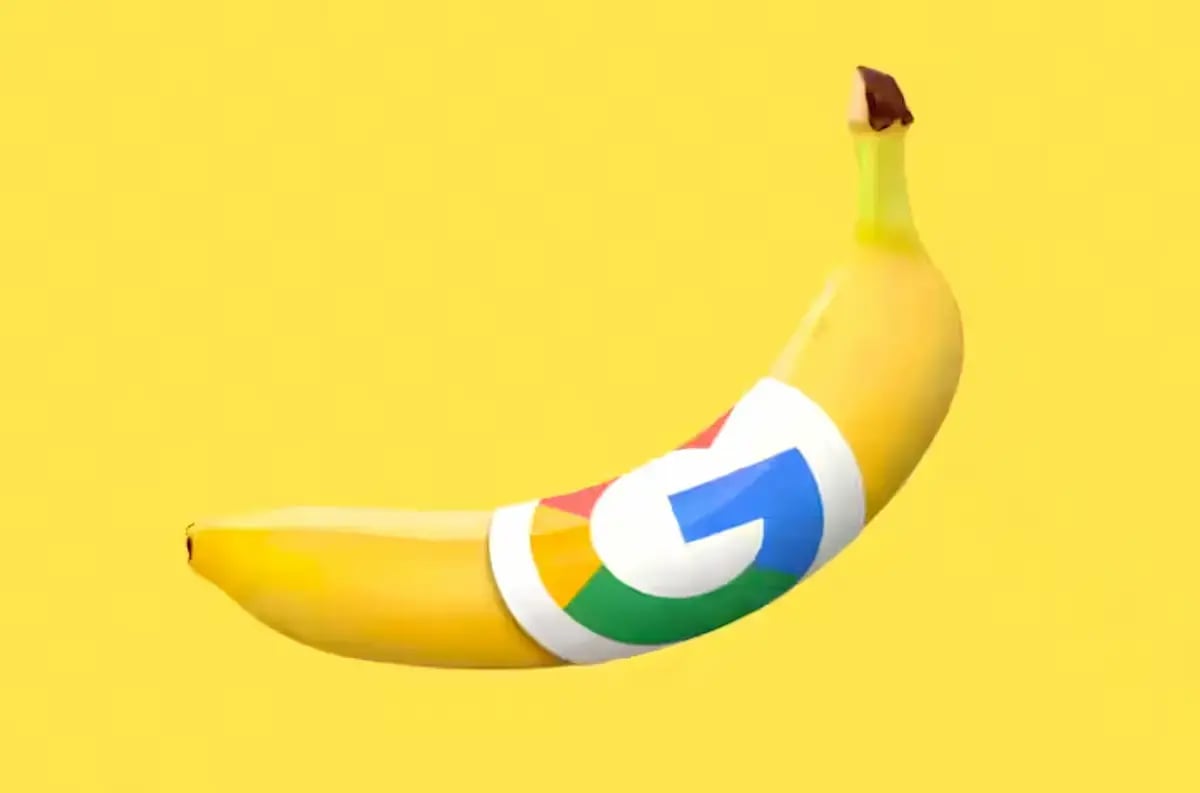
What ‘Nano Banana’ actually is
Google’s image generation model nicknamed Nano Banana by the creator community, a name that stuck because it punches so far above its weight, is built directly into Gemini.
You describe what you want in plain English, and it generates it. No design software, no layers, no learning curve. The newer versions add two capabilities that genuinely matter for business use:
- Subject consistency — your product, mascot, or “character” looks the same across multiple images. This used to be the single hardest thing to get right, and it is what made AI imagery impractical for branded work until recently.
- Readable text inside images — the very thing that used to make AI images instantly spottable, with garbled lettering, is now handled cleanly. You can put a real headline on a real graphic.
- Social graphics and post visuals produced in minutes, not days, and not waiting in a designer’s queue.
- Concept mockups for products, packaging, or signage before you commit any budget to a designer or a production run
- On-brand imagery you can iterate on simply by asking for a tweak — “make it warmer,” “move the logo,” “try it on a darker background” — in conversation.
What this means for an SME
In concrete, day-to-day terms:
Free vs paid
Basic generation is free on the standard Gemini plan, which is plenty for experimenting and for occasional use. The Pro tier (around £16 a month via Google’s premium bundle) unlocks higher quality and the consistency tools, worth it if you are producing branded content at any real scale.
Creators who make several pieces of visual content a week report recovering that cost within weeks, purely in the time they no longer spend in editing software.
The barrier to professional looking output has collapsed. The advantage now is not access to the tools ,everyone has that. It is taste, a clear brief, and knowing what ‘good’ looks like for your brand.
One thing worth knowing
AI-generated images carry an invisible watermark and embedded content credentials, so they are identifiable as AI-generated. This is not a reason to avoid them, it is a reason to use them honestly.
Be straightforward about what is AI-made, especially in anything that could be mistaken for a photograph of a real product or place. Your audience will respect the transparency, and trust is far harder to rebuild than an image is to regenerate.
The skill that actually matters now: the brief
Here is the part most people skip. The model is only ever as good as what you ask it for, and the single biggest difference between a disappointing image and a striking one is the quality of the brief. “Make me a logo” gets you mush.
“A minimalist logo for a precision-engineering firm, deep navy on white, clean geometric mark suggesting flow and movement, no text” gets you something you can actually use.
A good image brief usually covers five things: the subject, the style, the mood, the colours, and the composition. You do not need design jargon, plain, specific English is enough.
“Warm and approachable, not corporate.” “Shot from above on a wooden table.” “Plenty of empty space on the left for a headline.” The more precisely you can picture what you want, the closer the first attempt lands, and the fewer rounds of tweaking you need.
Where it fits in a small team’s workflow
In practice, the businesses getting value from this are not using it to replace serious design work, they are using it to fill the enormous gap below that line. The social post that used to go out with no image because there was no time to make one.
The internal deck that looked flat. The quick mockup to show a supplier what you mean. The seasonal graphic that did not justify a designer’s invoice. All of that is now a five-minute job, and the cumulative effect on how a small brand looks is significant.
For anything that truly carries the brand, a flagship campaign, the website hero, the packaging that goes to print, a human designer is still worth every penny.
The smart move is to use AI for volume and speed, and reserve professional design for the moments that genuinely matter. That is not cutting corners; it is spending your design budget where it has the most impact.
THE LEAN TAKE
Tools no longer separate the good from the great, judgement does. Get clear on your brand, write a sharp and specific brief, and let the model do the heavy lifting. The businesses that win here are the ones with the clearest sense of what they actually want to say.
Open Gemini, describe one image you need this week in as much detail as you can, and see how close it gets on the first try.
At the Lean Learning Collective, we help SMEs put AI to work without the hype. Explore who we help, try our free Instant AI Opportunity Audit, or get in touch to talk it through.
👉 F ollow the Lean Learning Collective's Blogs for more AI insights.